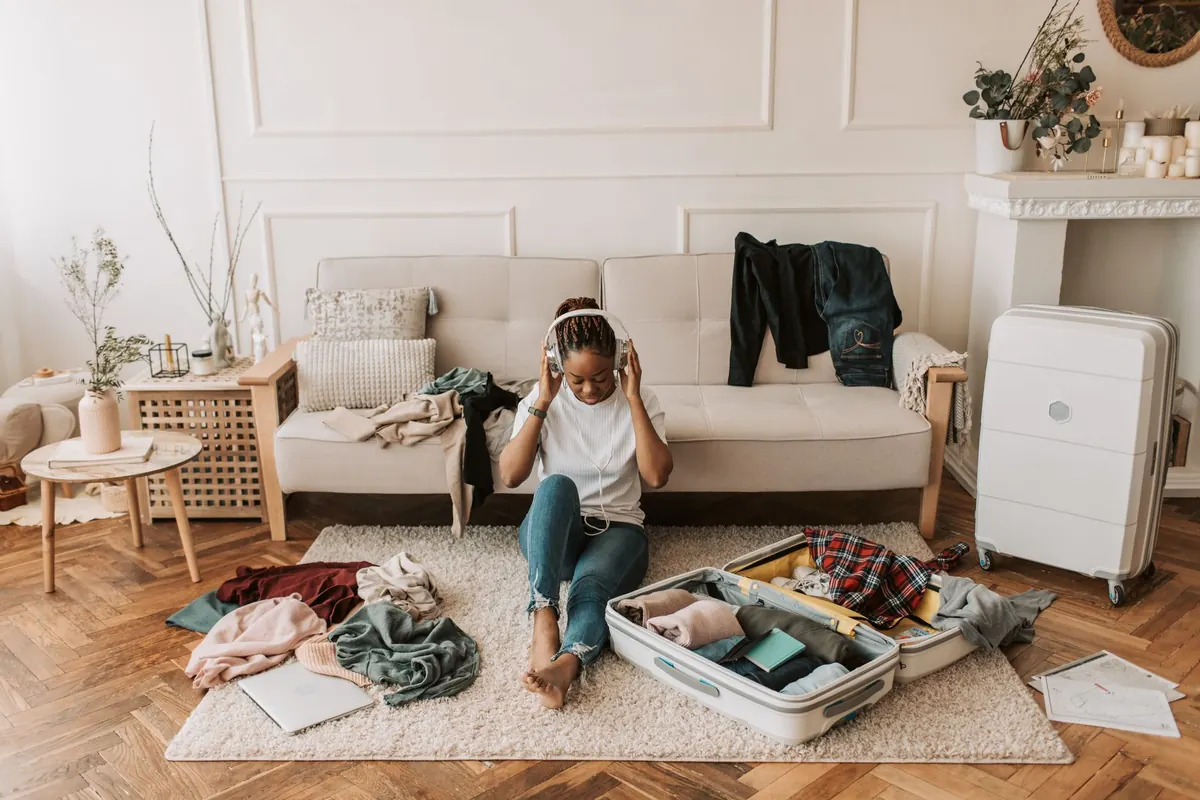
A four-day spring city break is a lovely length of trip and a surprisingly awkward one to pack for. Long enough that you want options, short enough that you will resent every unnecessary item by the second afternoon. Spring adds its own complication: the same day can hand you sunshine, a cold wind, and a sudden shower, all within a few hours. The answer is not a bigger bag. It is a smaller, smarter one, built around layers and a couple of decisions made before you start folding. What follows is the checklist I would hand to a friend — not everything you might conceivably need, but the things you will actually use between the airport and the last coffee.
Start With the Bag, Not the Wardrobe
Decide on the container first and let it set the limit. For four days, a cabin-size backpack of around 40 litres or a small roller is enough, provided you are honest about what goes in. Check your airline's cabin dimensions before you commit, because they vary more than most people expect, and a bag that fits one carrier may not fit another.
A backpack suits cities with stairs, cobbles and metro stations. A roller is kinder to your back if you will mostly be on smooth pavements and in taxis. Either way, packing cubes earn their place: one for tops, one for bottoms, one for underwear and socks, one for the small stuff. They compress, they keep you from unpacking the whole bag to find a T-shirt, and they make the mid-trip repack take seconds.
If you can manage it, aim to do one small sink wash on day two rather than packing four of everything. A travel-sized bottle of gentle detergent or a couple of laundry sheets takes up almost no space and buys you an extra day of clean clothes.
The Four-Day Wardrobe, Built in Layers
Spring weather in most European cities means a cold morning, a warm middle of the day, and a cool evening. Dress for that pattern rather than for a single forecast, and you will be comfortable whatever the sky does. A simple formula works well: three bottoms, four tops, two mid-layers, one outer layer, and one outfit that is a notch smarter than the rest.
- Bottoms: two pairs of trousers or chinos and one pair of jeans, or swap the jeans for a skirt or dress if that is more your style.
- Tops: four lightweight pieces that can each be worn alone or under a layer — a couple of long-sleeved tees, a shirt, a fine knit.
- Mid-layers: a cardigan or a thin zip-up and a light jumper. These do the heavy lifting when the temperature drops at six in the evening.
- Outer layer: a trench, a light wool coat, or a packable padded jacket, depending on how cold your destination runs.
- The smarter outfit: one dress or a shirt-and-trousers combination for a nice dinner or a concert you booked on a whim.
- Underwear and socks: four of each, plus one spare pair of socks, because spring rain and long walks are unkind to feet.
- Sleepwear: a thin tee and shorts, or nothing if your hotel runs warm.
Stick to one colour palette — navy, grey, olive, cream, whatever you already wear — so every top works with every bottom and you can dress in the dark without thinking. Choose fabrics that dry overnight: merino, cotton blends, technical knits. Heavy cotton sweatshirts and thick denim take a day and a half to dry on a hotel radiator and will leave your bag smelling like damp by Thursday.
Shoes Decide the Trip
Two pairs, and no more. One is a walking shoe or trainer you have already broken in over several weeks, because a four-day city break usually involves far more steps than expected. The other is something slightly smarter — a flat leather shoe, a low boot, a clean pair of loafers — for evenings and any restaurant that would raise an eyebrow at trainers.
Wear the bulkier pair on the plane to save space and weight. Pack blister plasters regardless of how well the shoes fit; they cost nothing and rescue an afternoon. Bring socks that wick rather than pure cotton if you plan long days out.
The Small Weather Kit
This is the section people skip and later regret. A packable rain shell with a hood, folded into its own pocket, weighs less than a paperback and turns a washed-out morning into a walkable one. A compact umbrella is optional if the shell is good, useful if you will be in a city where the rain comes sideways. Add a thin scarf or neck buff, sunglasses, a lip balm with sun protection, and a small tube of hand cream.
Check the forecast 48 hours before you leave, then adjust exactly one item: swap the jumper for a heavier one if a cold snap is coming, or drop the padded jacket if the week looks mild. Packing to a forecast you checked a fortnight ago is how people end up buying a €60 umbrella they will use once.
Toiletries, Tech and the Liquids Reality
Decant everything. Shampoo, conditioner, moisturiser and cleanser all fit into small refillable bottles, and a solid shampoo bar removes one liquid from the equation entirely. Add a toothbrush, toothpaste, deodorant, any prescription medication in its original packaging, and a small first-aid pouch with plasters, a painkiller you know suits you, and rehydration sachets.
On the tech side: one charger with multiple ports rather than three separate bricks, a spare cable, a power bank (carried in the cabin, never in checked luggage), and the right plug adapter for your destination. If you are crossing borders, check current entry and identification requirements through official government sources rather than a packing list, and read your travel insurance policy before you go so you know what it covers.
For documents, keep digital copies of your passport, bookings and insurance details saved offline in your phone, and email yourself a backup. A physical printout of your first night's accommodation address is still useful when a phone dies at the wrong moment.
The Day Bag You Will Carry Every Day
Pack one small crossbody bag or a lightweight 15-litre backpack, and keep it genuinely light. Inside: a folded layer for the evening chill, a refillable water bottle, tissues, hand sanitiser, a snack, a small pouch for cards and tickets, and a foldable tote for anything you buy along the way. If you carry a camera, bring one spare battery and leave the second lens at home. You will walk more than you think, and every extra hundred grams is felt by mid-afternoon.
The Night-Before Ten-Minute Check
Everything is packed. Now run this short routine, in order, and then close the bag.
- Lay the packed contents out on the bed and remove the one item you hesitated over. There is always one.
- Put the walking shoes on with the socks you are packing and walk around the room. If anything rubs now, it will rub badly on day two.
- Weigh the bag. If it is over your airline's limit, the heaviest offenders are usually shoes, books and toiletries.
- Download tickets, boarding passes and booking confirmations so they open without a signal.
- Charge your phone, power bank and headphones, and set an alarm for the airport transfer.
- Pack a small pouch with the first night's essentials — toothbrush, charger, clean T-shirt — so you can leave the main bag closed until morning.
Then stop. A well-packed bag for four spring days should feel almost too light, and that is the point: you want to spend the trip looking at the city, not at your luggage. If something turns out to be missing, most of it can be bought in ten minutes on any high street — which is, in the end, the most reassuring thing about packing for a short break.
Photo: Vlada Karpovich / Pexels