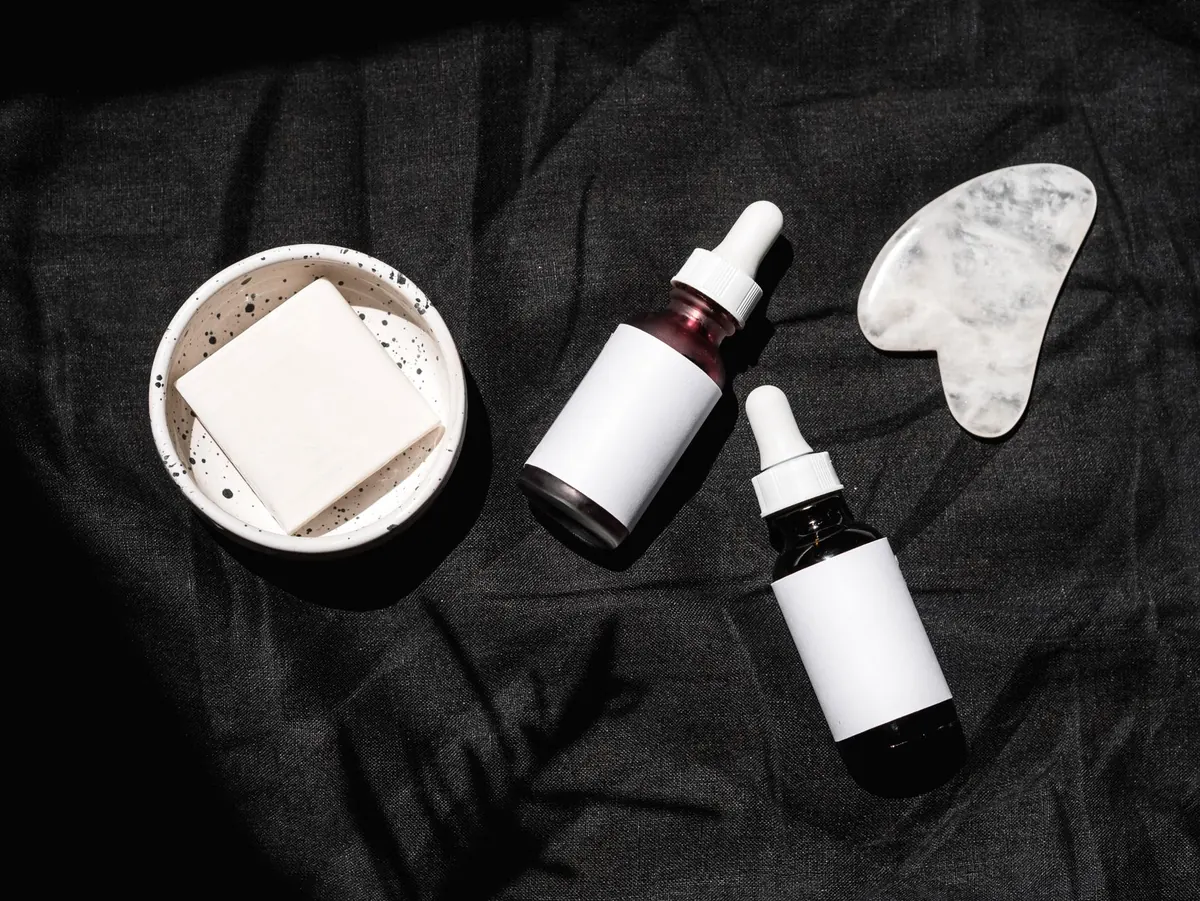
A face serum can feel like the most confusing step in a skincare routine. The bottles are small, the promises are large, and the ingredient lists read like a chemistry exam. But choosing one does not have to be complicated. Most of the work comes down to two questions: what does your skin actually need, and which ingredients are likely to deliver it without causing trouble? Once you separate marketing from formulation, the shelf becomes much easier to read.
Know Your Skin Type Before You Shop
Start with your skin as it behaves on an ordinary day, not on its best or worst day. Cleanse with a gentle product, skip toner and serum, wait about half an hour, then look and feel. Does your face feel tight and look dull? That leans dry. Is there shine across the forehead, nose, and chin by lunchtime? That leans oily. Does your skin sting, flush, or react quickly to new products? That leans sensitive. You can also be combination: oily in the center, drier on the cheeks.
Skin type and skin concern are not the same thing. You might have oily skin and also want to address dullness, or dry skin with occasional breakouts. A serum should usually target one main concern while respecting your skin type. If you stack three strong actives because you have three complaints, you are more likely to end up with irritation than results. Pick the issue that bothers you most, treat it for a few weeks, then reassess.
Read the Ingredient List by Function
You do not need to memorize every ingredient. It helps, though, to know the jobs ingredients do. In a serum, the first several ingredients usually make up most of the formula. If a “hero” ingredient appears at the very end after fragrance and preservatives, treat the claim with skepticism. Texture matters too: a watery gel suits oily skin, while a slightly richer serum can feel better on dry skin.
- Humectants pull water toward the skin. Look for glycerin, hyaluronic acid, panthenol, and sodium PCA. They suit most skin types, including dehydrated oily skin.
- Emollients soften and smooth. Squalane, jojoba oil, and fatty alcohols can help dry or tight-feeling skin.
- Occlusives slow water loss. Ceramides, shea butter, and dimethicone appear in richer formulas; they can be useful for dry skin but may feel heavy on very oily skin.
- Actives do targeted work. Niacinamide, vitamin C, salicylic acid, lactic acid, and retinoids are common examples. They need a sensible introduction, not an all-at-once approach.
Also scan for ingredients that tend to cause trouble if your skin is reactive: added fragrance, essential oils, and high amounts of denatured alcohol. These are not automatically bad for everyone, but they are common culprits in stinging or redness. A short, boring ingredient list is often a better friend to sensitive skin than a long, botanical one.
Matching Serums to Dry, Oily, and Sensitive Skin
Dry skin
Dry skin usually benefits from water plus oil plus barrier support. A serum built around glycerin or hyaluronic acid gives an immediate quenched feeling, but it needs a moisturizer on top to seal that water in. If your skin feels rough or flaky, look for ceramides, squalane, or panthenol. Apply the serum to slightly damp skin after cleansing, then follow with a cream. Avoid making a high-strength exfoliating acid your daily serum if your skin is already tight; once or twice a week is often more sensible than every morning.
Oily skin
Oily skin often does well with lightweight humectants and a targeted active. Niacinamide is a reliable multitasker for many people and tends to sit well in gel or watery formulas. Salicylic acid can help with clogged pores, but it can also dry the skin if used too often, so start slowly. Resist the urge to strip your face with harsh cleansers and skip moisturizer entirely. Over-drying can leave skin feeling tight and looking shiny as it tries to compensate. A thin gel serum plus a light moisturizer is usually a better balance.
Sensitive skin
For sensitive skin, fewer ingredients and clearer labels are more useful than exotic extracts. Look for fragrance-free formulas with ceramides, panthenol, allantoin, or glycerin. Avoid products that combine several acids, strong retinoids, and fragrant plant oils in one bottle, especially when you are introducing something new. Patch test first, and introduce one product at a time so you know what caused a reaction if one appears. If your skin is persistently inflamed, stinging, or reacting to many products, consult a dermatologist rather than guessing your way through the shelf.
Combination Skin and Seasonal Shifts
Combination skin can be handled with one flexible serum rather than two separate routines. A lightweight hydrating serum with niacinamide or glycerin often works across the oily center and drier cheeks. If your T-zone is very oily, use a thinner layer there and a richer moisturizer on the cheeks. In winter, your skin may need more barrier support; in summer, the same serum may feel heavy. It is fine to change texture with the season while keeping the ingredient focus stable. Your skin is not a fixed category, and your routine does not need to be either.
How to Test and Layer a New Serum
Patch test on the inner forearm or along the jawline for a few days before applying a new serum to your whole face. Then use it two or three times a week at first, especially if it contains an acid, retinoid, or vitamin C. More is not better with actives. A common mistake is adding a new serum every few days, then blaming the wrong product when skin becomes irritated.
Layering is simpler than it looks. Cleanse, apply the thinnest product first, then thicker products, and finish with moisturizer and sunscreen in the morning. A hydrating serum can go under most moisturizers. If you use a strong active, keep the rest of the routine gentle: a mild cleanser, a basic moisturizer, and sunscreen. Do not mix several exfoliating acids in one sitting, and avoid layering a retinoid with a strong acid on the same night if your skin is not already used to both.
A Simple Place to Start
Choose one serum for your main concern, check that its texture suits your skin type, and give it a few weeks of consistent, moderate use. Dry skin can start with a glycerin or ceramide serum and a reliable cream. Oily skin can try a light niacinamide gel and resist over-cleansing. Sensitive skin can begin with a fragrance-free hydrating formula and a patch test. Keep the rest of your routine steady, protect your skin from the sun, and let the serum do one job well. If a product stings, burns, or causes a rash, stop using it and seek professional advice when needed.
Photo: Polina ⠀ / Pexels